Well Drilling
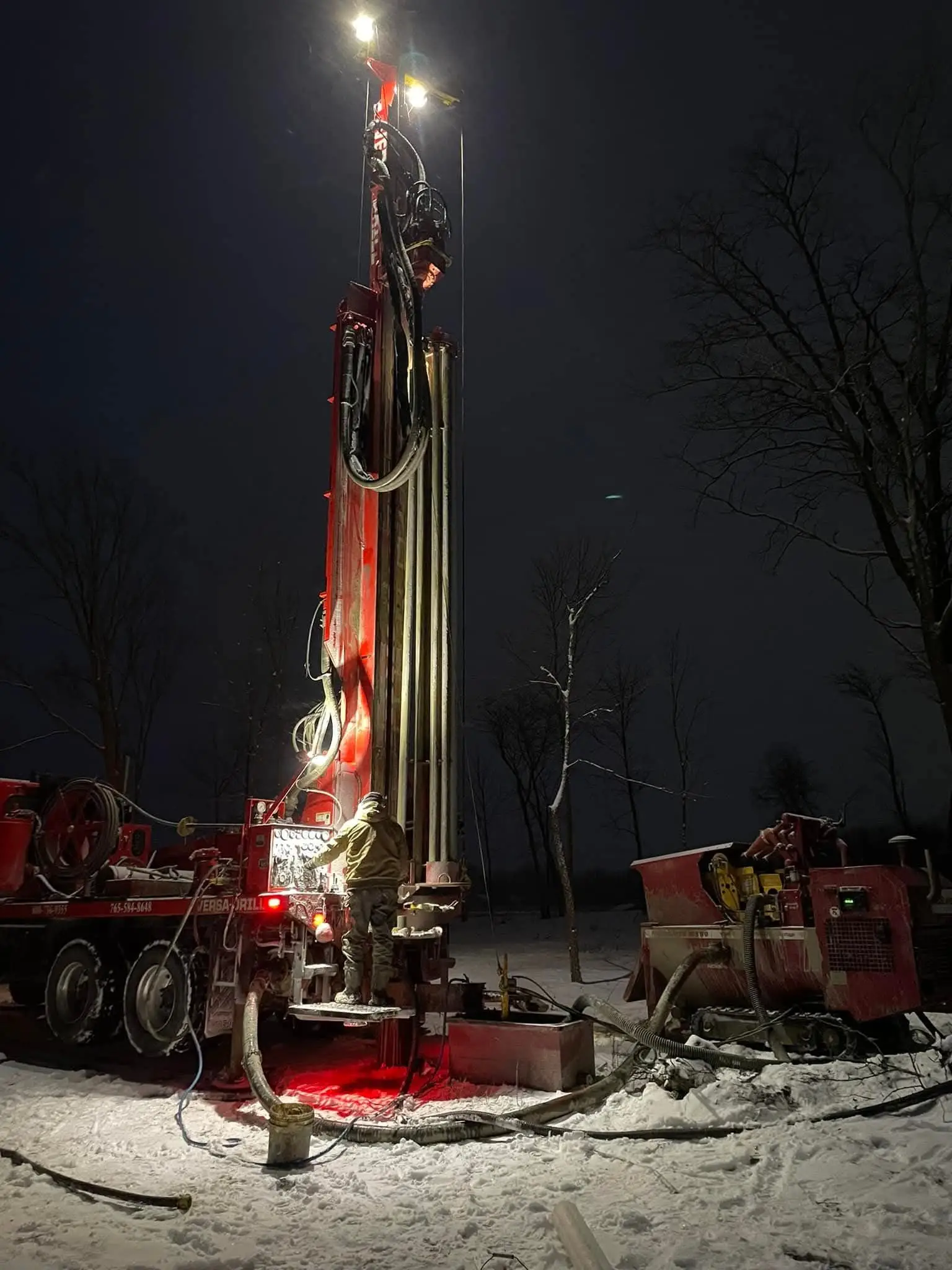
Rotary drilling of new 5" to 8" diameter residential, commercial, and agricultural water wells.
Learn more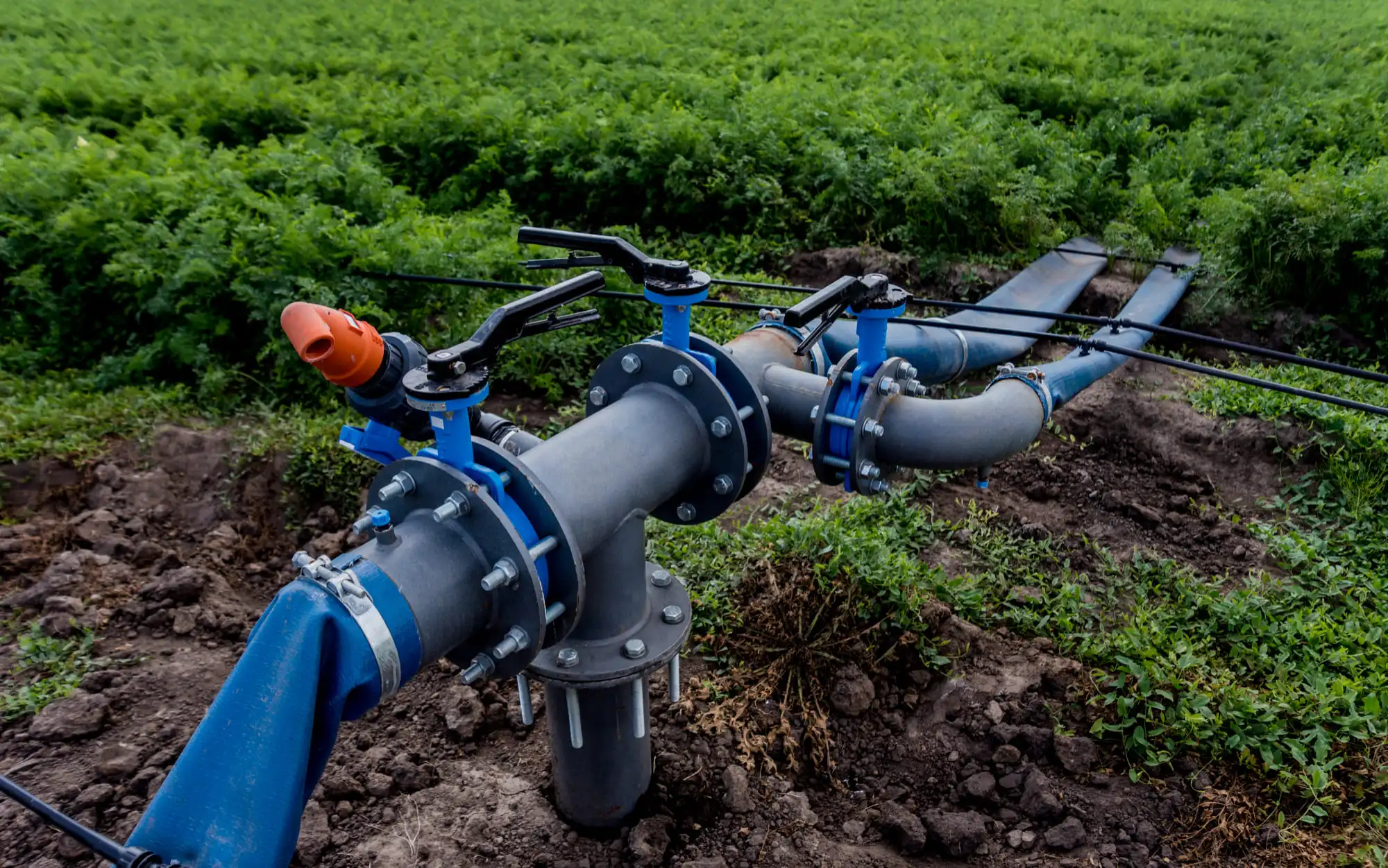
Irrigation wells
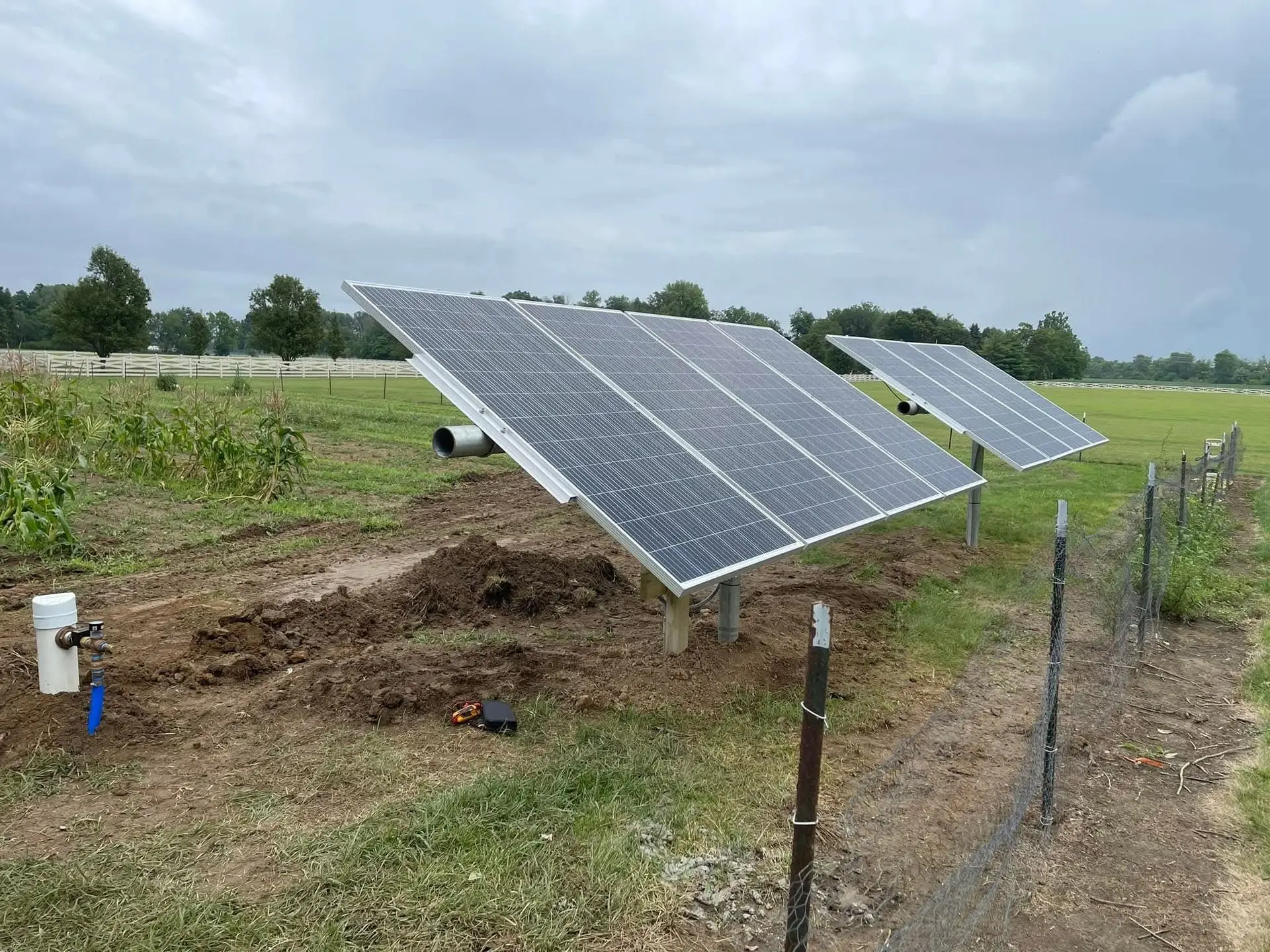
Irrigation well installation for farms, nurseries, golf courses, and large lawns across Eastern Indiana and Western Ohio, from a crew drilling since 1945.
Irrigation well installation gives a farm, a nursery, or a big property its own water, sized for volume instead of a household. Wiley Well Drilling has drilled wells across Eastern Indiana and Western Ohio since April 1945, from our office in Union City, Indiana. Without enough water, crops suffer, lawns burn up, and costs climb from leaning on municipal supply or trucked-in water.
Call Wiley Well Drilling at (765) 584-8648 today for a free estimate. You will have a quotation within 24 hours.
Built for volume
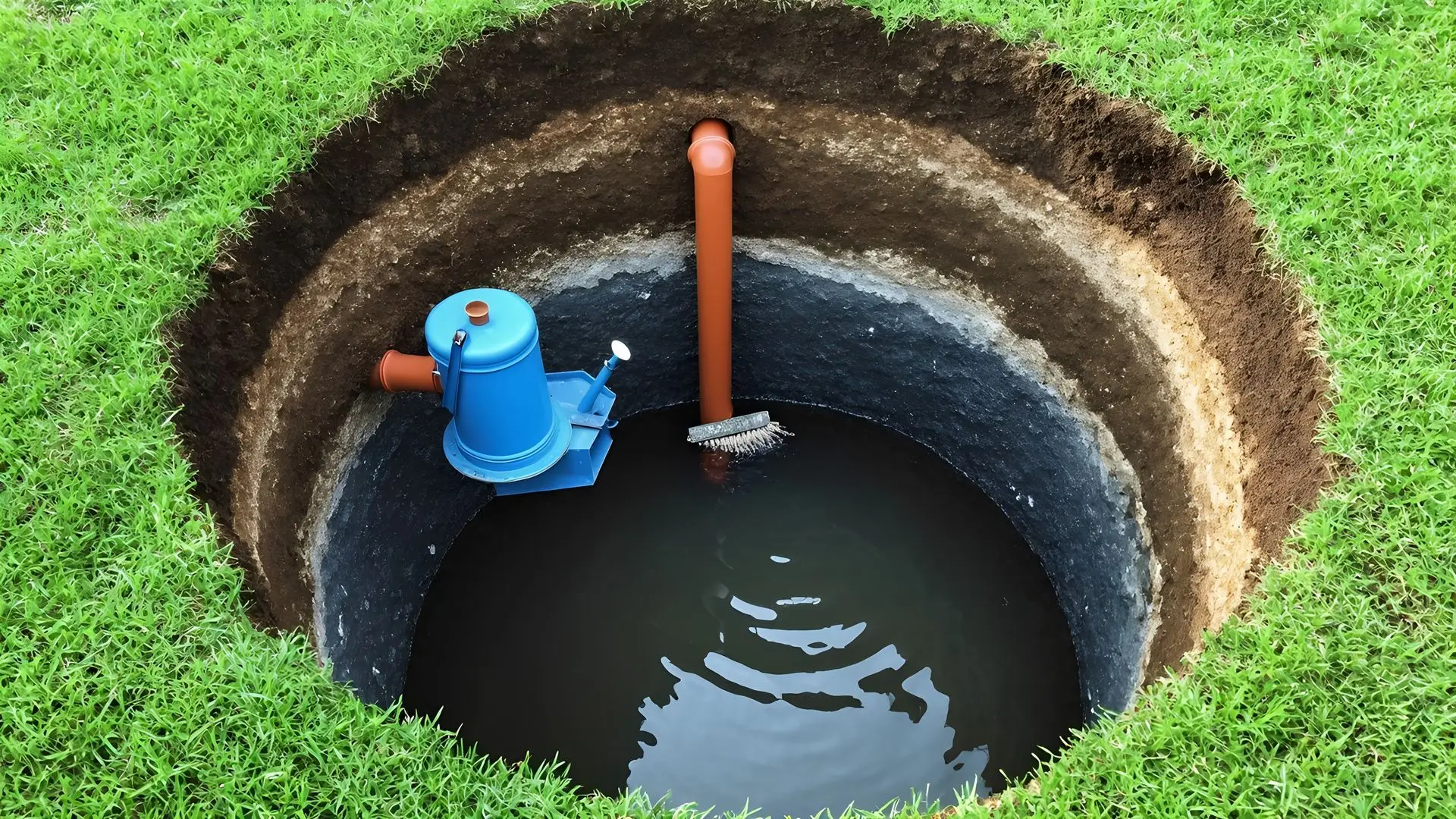
It starts with a site assessment to settle placement, depth, and yield potential. Then comes irrigation well drilling into a productive aquifer, followed by proper casing, grouting, and pump integration. Pump sizing and installation is where an irrigation well differs most from a house well: the pump has to deliver sustained volume, season after season. The drilling side is covered in more detail on our well drilling page.
We are a registered well driller in Ohio and a licensed contractor in Indiana, and we follow all permitting and reporting requirements to protect groundwater. We are also members of the National Ground Water Association and the Indiana Ground Water Association.
Who needs one
Most calls come from a farm that has to keep a field watered through a dry stretch, a nursery or golf course that cannot ration, or a homeowner who wants a lawn irrigation well to take the load off the house well. A dedicated well pays off in these ways:
Eliminate or reduce monthly municipal water bills, especially during high-use growing seasons.
Gain control over your water source without reliance on external suppliers.
Groundwater is typically free of chlorine and other additives that can harm sensitive plants.
A functional irrigation well enhances land usability and market appeal.
Maintain operations even during regional water shortages or usage bans.
Systems are engineered to match your specific acreage and irrigation schedule.
Running irrigation through the house well usually means pressure loss, pump strain, and less water indoors. Not sure you need a dedicated well? We can look at your existing one first and tell you.
How we do it
Farm well drilling for irrigation starts with demand. A typical household well delivers 5 to 10 GPM, while an agricultural system may need 50 GPM or more, so we size the casing, pump, and depth to your crops, acreage, and irrigation method. We use modern rotary and cable-tool drilling rigs suited for varied soil and rock conditions, and a pump test after drilling confirms the well delivers under real operating conditions.
In Darke County, a permit must be obtained through the Darke County General Health District before any well is drilled, and the site is inspected first. Late winter through early spring is the usual window, so the well is drilled and pump-tested before planting. Every installation comes with detailed documentation and yield testing, and we stand behind our work with warranties.
Once it is running, we handle pump service, repairs, pressure system work, and water testing and well rehabilitation.
We do not publish prices. Irrigation well cost depends mostly on depth, casing diameter, and the size of pump the system needs, and those depend on your acreage and water demand. You get a free estimate and a quotation within 24 hours. If upgrading the house well or drilling a new household well makes more sense, we will say so.
Where we drill
From Union City, we drill irrigation wells in Greenville, Muncie, Troy, Dayton, Piqua, Sidney, Eaton, Fort Recovery, Winchester, Richmond, New Castle, Portland, and Bluffton. If you searched irrigation well installation near me from any of those towns, we already work your area. Farming ground somewhere in between and typing irrigation well installation near me? Call and ask. More on Darke County is on our Greenville, OH well drilling page, and farm wells there on our Greenville irrigation well drilling page.
Irrigation FAQs
An irrigation well and a domestic well use the same drilling methods but serve different purposes. A domestic well is designed around modest household demand and drinking-water quality standards. An irrigation well is engineered for sustained high-volume flow. A typical household well delivers 5 to 10 GPM, while an agricultural system may require 50 GPM or more, depending on crop type, acreage, and irrigation method. This difference drives decisions about casing diameter, pump selection, and aquifer depth.
A permit must be obtained through the Darke County General Health District before any well is drilled. Ohio law requires a state-registered driller and a licensed Private Water Systems Contractor for pump and pitless-adapter installation. The applicant submits a well permit application with a scaled site plan showing the proposed well location and its distance from any contamination sources. The DCGHD inspects and approves the site before drilling begins.
Agricultural and commercial permits carry different fee structures than residential permits, so contacting the health district early is advisable. Wells capable of withdrawing 100,000 or more gallons per day may also require separate registration with the Ohio Department of Natural Resources.
Late winter through early spring is generally the recommended window for irrigation wells. Drilling during this period allows completion and pump testing before planting begins, and post-recharge groundwater levels help confirm sustainable yield before peak demand. Ground access and drilling conditions in western Ohio are usually most favorable from spring into early summer. Fall drilling is also practical for operations planning for the following season, and scheduling lead times are often shorter.
Flow rate is set by the water demand of the crops, acreage, and irrigation system being served. An experienced driller assesses local aquifer conditions, then sizes the pump and casing to target a sustained GPM output that matches peak seasonal demand. A pump test after drilling confirms the well can deliver the required flow under real operating conditions. Wiley Well Drilling draws on decades of regional knowledge of aquifer formations across Darke County and western Ohio to target the most productive zones for high-yield irrigation wells.
An existing domestic well can supply a small residential irrigation system. It is generally not suited to larger agricultural use. Running full irrigation demand through a household well causes pressure loss, pump strain, and reduced indoor water availability. A dedicated irrigation well keeps agricultural demand separate and ensures the sustained flow volume the system requires. Wiley Well Drilling can evaluate your existing well and recommend whether a dedicated installation makes sense for your property.
More services
Drilling, repairs, cleaning, pump service, and constant pressure systems.
Rotary drilling of new 5" to 8" diameter residential, commercial, and agricultural water wells.
Learn more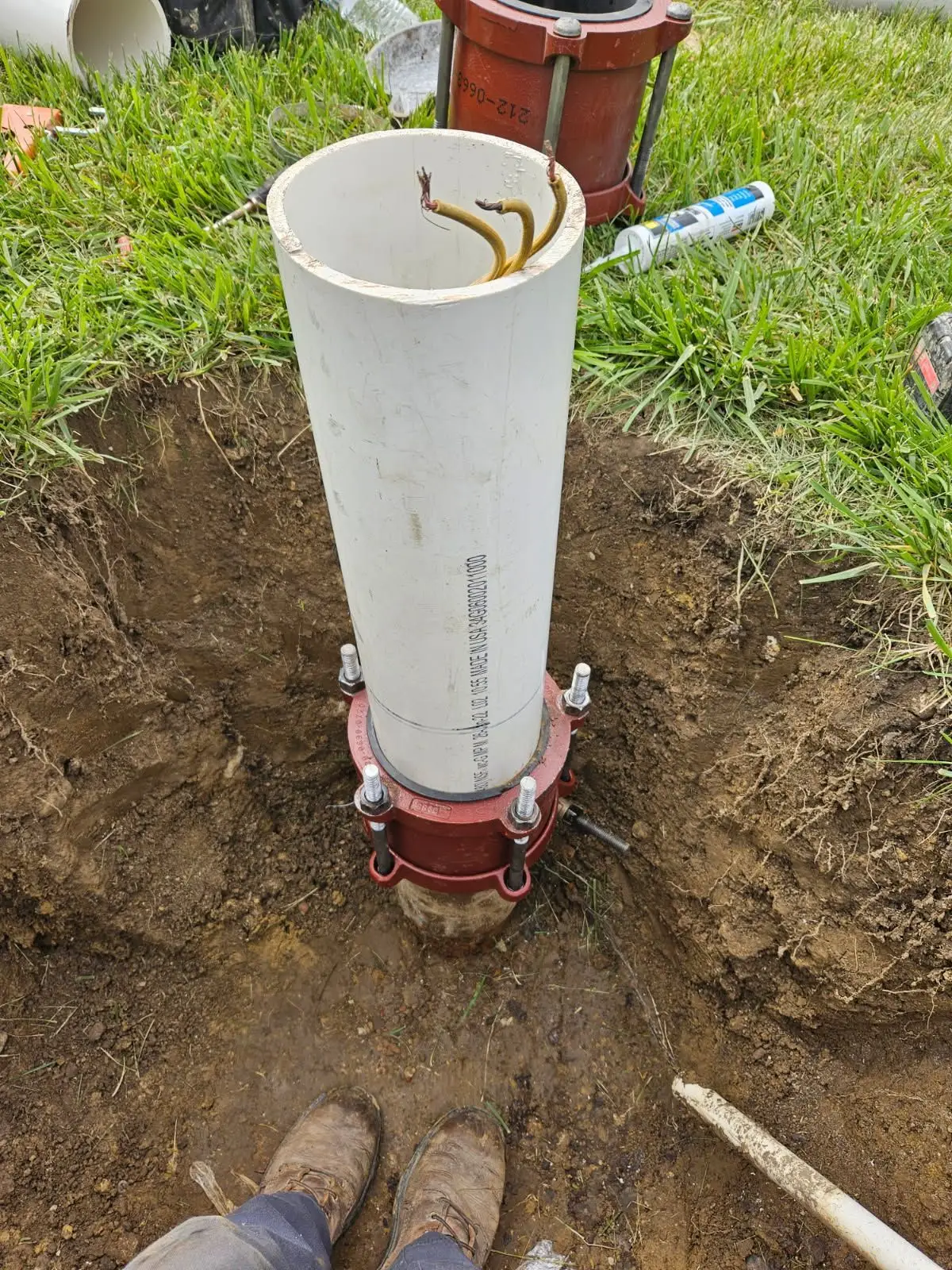
Diagnosis and repair for dry wells, dead pumps, lost pressure, and failing pressure tanks.
Learn more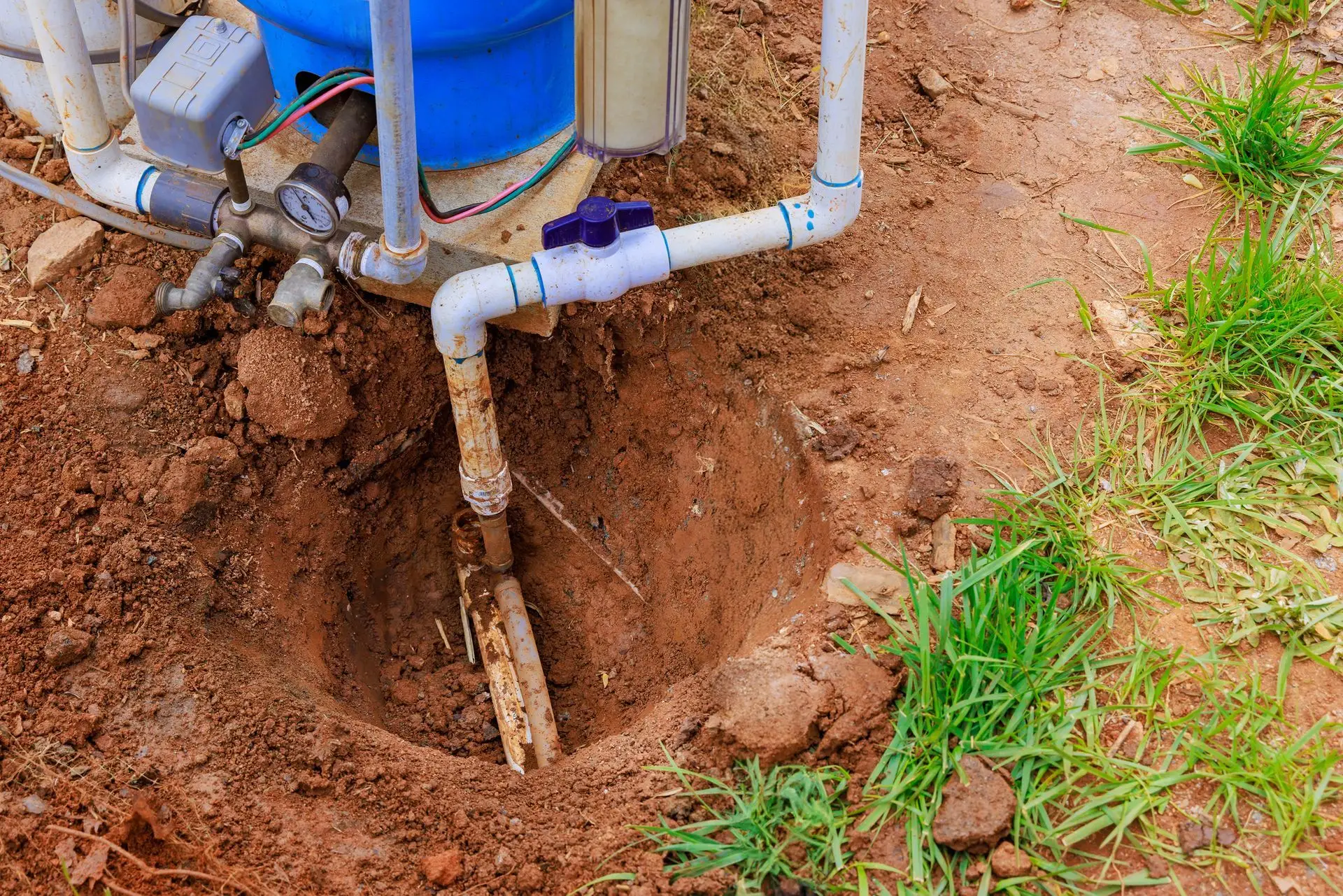
Cleaning, disinfection, inspections, water testing, trenching, and well abandonment.
Learn more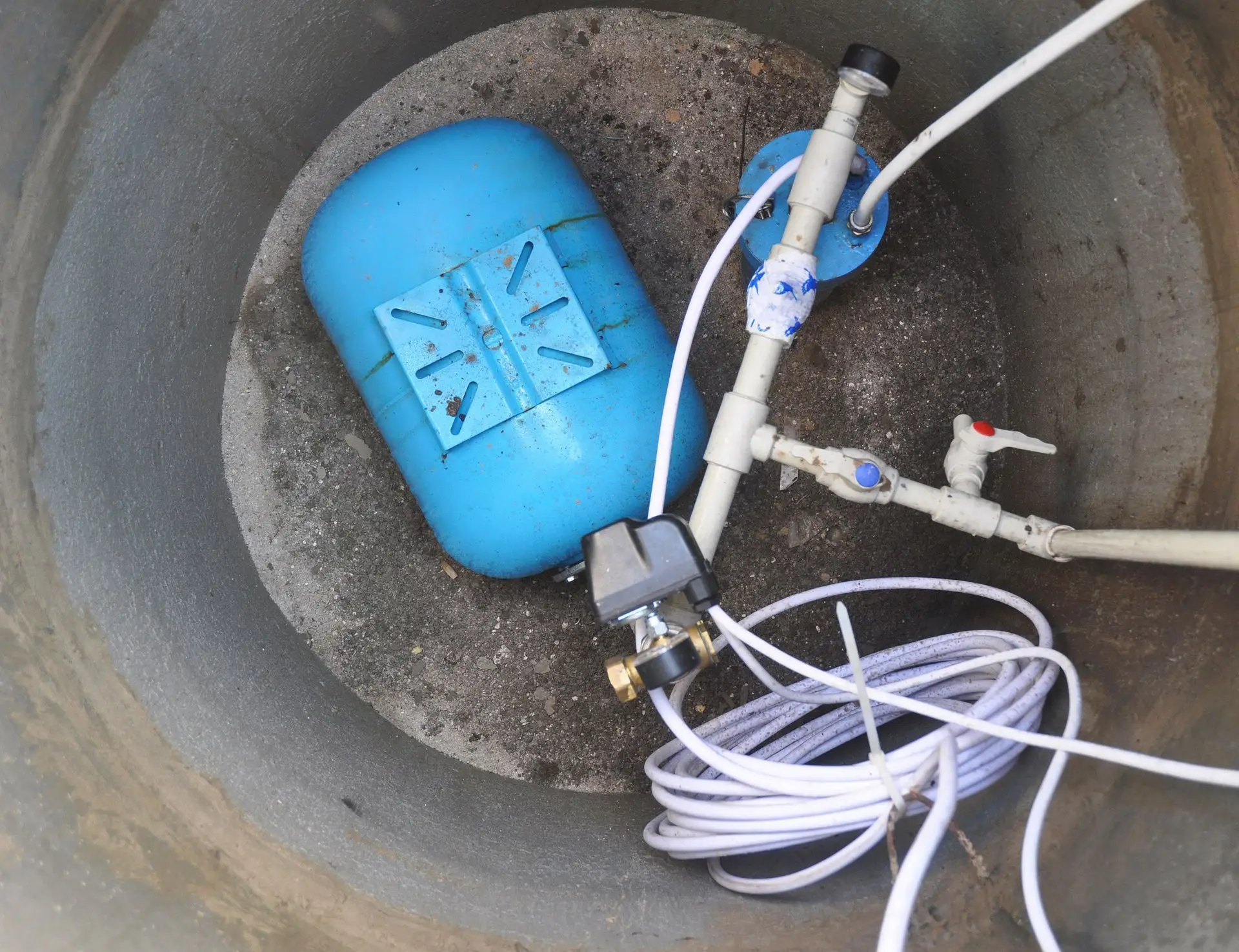
Full pump diagnostics and repair for all makes and models, with emergency response available.
Learn more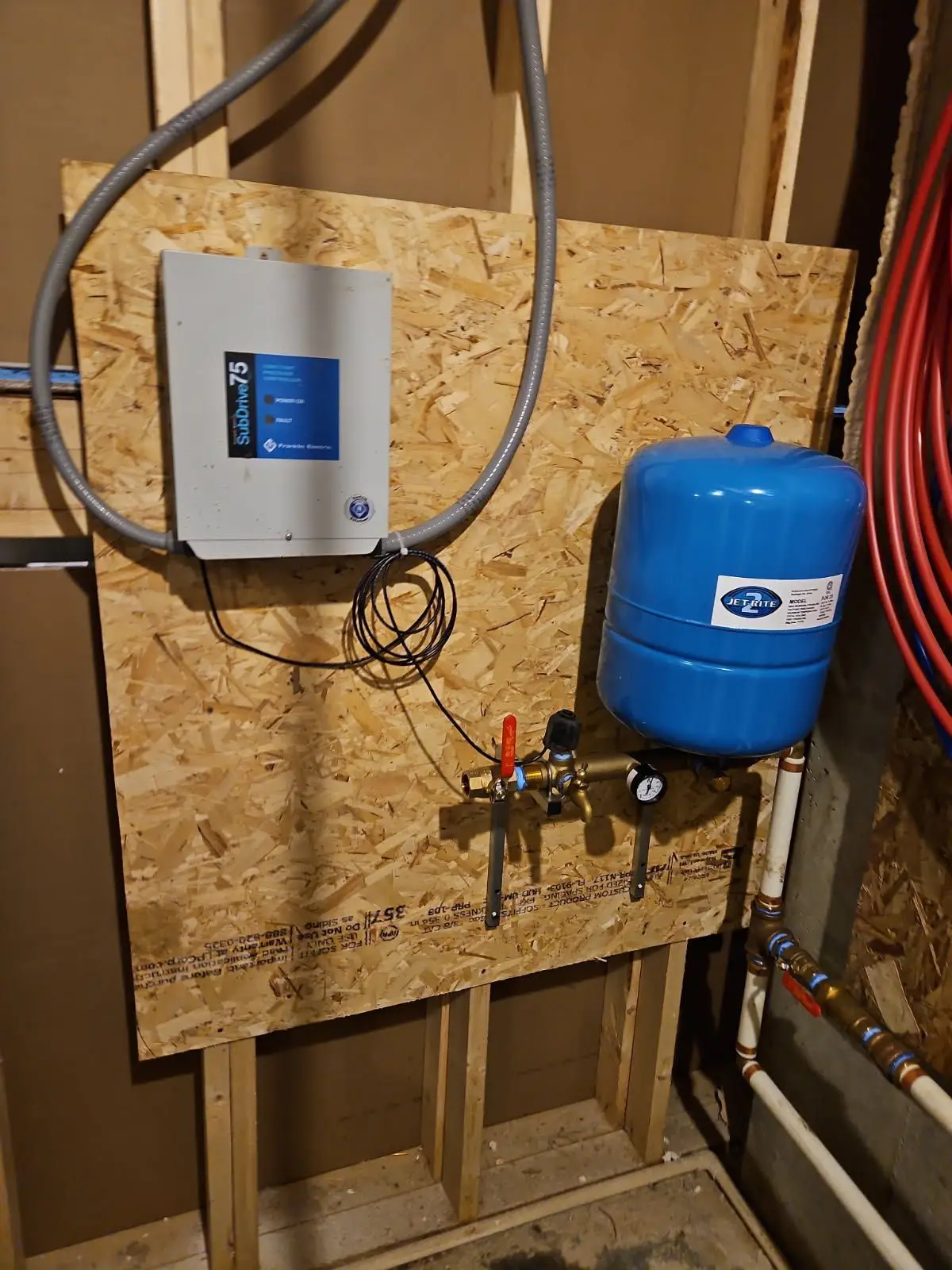
Variable-speed systems that hold steady, city-like water pressure at every tap in the house.
Learn more
Free estimates
Planning a new field, a nursery expansion, or a lawn that drinks more than the house well can give? Call Wiley Well Drilling for a free estimate and a quotation within 24 hours.